admin
admin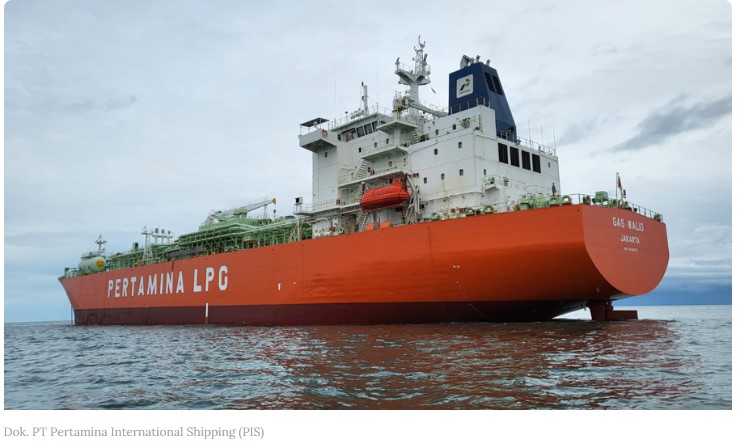
KN-JAKARTA, Based on a meeting at the Ministry of Energy on March 28, 2026, the Directorate General of Oil and Gas estimated the upper limit for non-subsidized fuel prices for March, April, and May 2026. The prices of gasoline grades RON 92, 95, and 98 were projected at around IDR 18,000, IDR 20,000, and IDR 20,000 per liter, respectively, in April. The government ultimately announced that subsidized and non-subsidized fuel prices would remain unchanged. Energy Minister Bahlil Lahadalia stated on March 31, 2026, that there would be no adjustments to subsidized fuel prices.
Information has emerged that the government’s decision not to increase subsidized and non-subsidized fuel prices was made during an online meeting on March 30, 2026. The official added that the policy to hold fuel prices was based on the difference between retail prices and economic prices, which could be covered by compensation funds. The government also considered the potential impact of public panic.
PT Pertamina (Persero) President Director Simon Aloysius Mantiri requested the Minister of Energy’s support for redirecting domestic crude oil and condensate production currently allocated for export to supply domestic refineries during the ongoing Middle East conflict. Pertamina will purchase the products according to the country’s domestic crude oil and condensate prices. This step is a strategic effort to mitigate the risk of potential import supply disruptions, maintain the stability and sustainability of national refinery operations, ensure the availability and stability of domestic fuel supplies, and strengthen national energy security amidst global geopolitical dynamics. Pertamina referred to the Thai government’s policy of temporarily halting exports of crude oil and petroleum products to maintain the resilience of domestic reserves.
The Ministry of Energy and Mineral Resources has also mapped potential disruptions to the national energy supply, including the possibility of disruptions in crude oil supplies from the Middle East. This is not predicted to be fully felt until the end of March 2026, but procurement for the following period is expected to begin to be affected if the conflict escalates. Pressure is more immediately apparent on LPG. Several energy sector players stated that Pertamina is still awaiting two import cargoes from the Arabian Gulf region. If these two cargoes are disrupted, it risks putting pressure on stock levels, which, according to calculations at the beginning of March, were estimated to have dropped from around two weeks to around 10 days.
Meanwhile, the Downstream Oil and Gas Regulatory Agency (BP Migas) recorded that, as of March 27, 2026, the national LPG supply was 290,000 metric tons. With an average LPG distribution of around 26,000 metric tons per day, supply levels are estimated at 11.14 days. According to information from the Ministry of Energy and Mineral Resources, the government has asked Pertamina to optimize its refineries to supply priority products, particularly LPG. The company has also been asked to seek feasible and fast import sources, such as countries in Southeast Asia and Africa.
Pertamina is no longer relying on Middle Eastern producers to meet national LPG demand, which is estimated to reach 10 million metric tons this year. Now, 70 percent of imports have shifted to the United States, which has recently become known as the world’s largest gas exporter. The United States accounts for more than 25 percent of global LPG supply, while the remaining 30 percent comes from other producers, including the Middle East. However, two LPG cargoes stuck in the Arabian Gulf have the potential to disrupt domestic supplies.
Pertamina has developed several mitigation options. In addition to negotiations, other efforts include managing inter-refinery capacity to ensure fuel needs are met, regulating the equitable distribution of LPG cargoes, prioritizing terminals with low stock levels, and seeking alternative sources for crude oil, fuel, and LPG.


 Glembert