admin
admin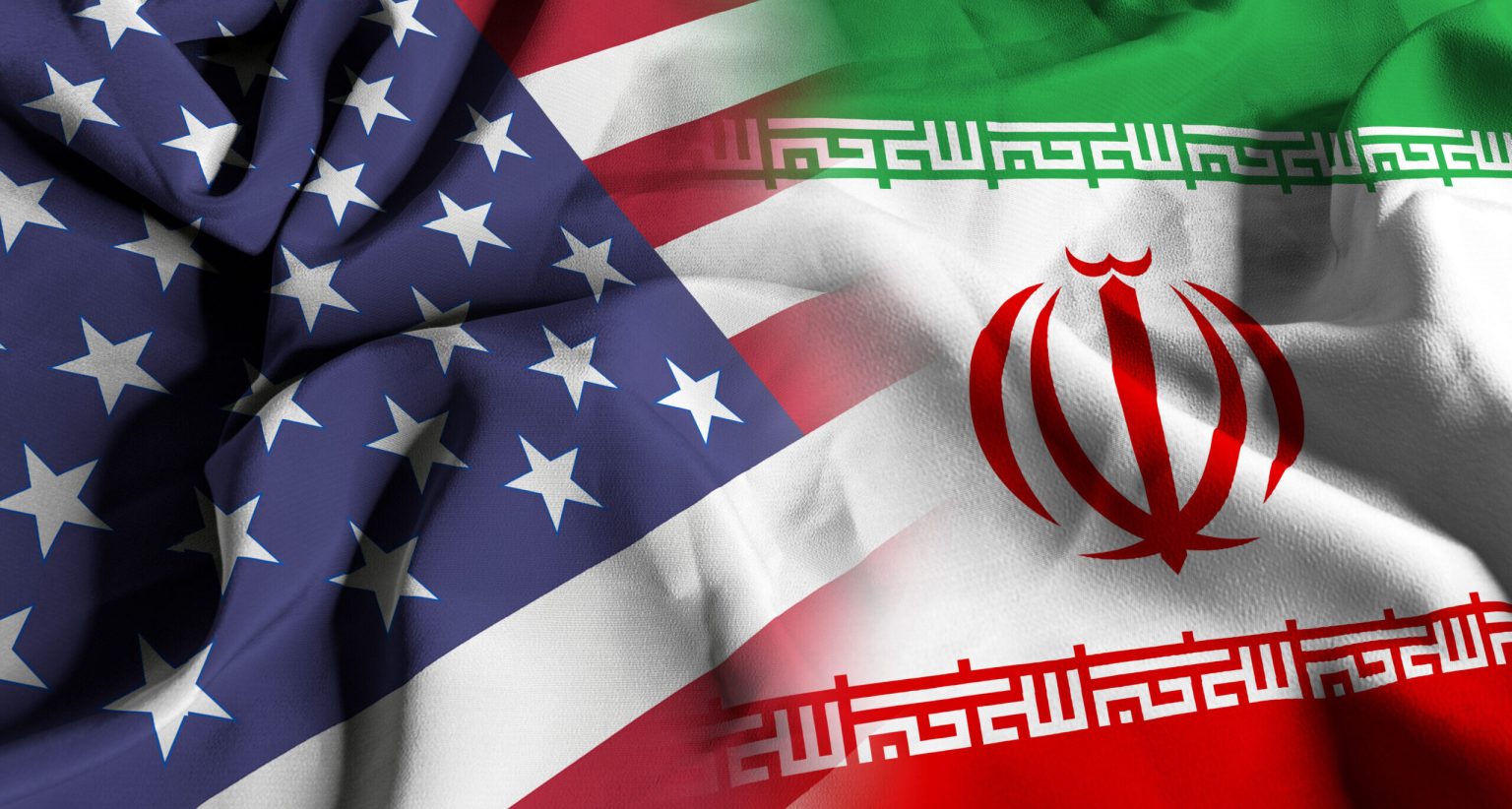
KN-TEHRAN, 21 hours of U.S.-Iran talks in Islamabad clarified Tehran and Washington’s main strategic priorities, but did not close major gaps in their positions, particularly on Iran’s nuclear program. The talks occurred in the context of a two-week ceasefire that began to de-escalate the U.S. and Israeli war against Iran that began on February 28. However, speaking to journalists at the conclusion of the talks, U.S. Vice President JD Vance, who headed the U.S. delegation, stated: “We’ve had a number of substantive discussions with the Iranians. That’s the good news. The bad news is that we have not reached an agreement — and I think that’s bad news for Iran much more than it’s bad news for the United States of America.” Suggesting the U.S. was flexible on some issues, Vance added: “We’ve made very clear what our red lines are, what things we’re willing to accommodate them on, and what things we’re not willing to accommodate them on, and we’ve made that as clear as we possibly could, and they have chosen not to accept our terms.” In a statement, Majles (parliament) Speaker Mohammad Bagher Ghalibaf nonetheless expressed optimism that the diplomacy would continue, saying: “My colleagues on the Iranian delegation … raised forward-looking initiatives, but the opposing side ultimately failed to gain the trust of the Iranian delegation in this round of negotiations.” U.S. President Donald Trump told journalists Sunday that he expected further diplomacy, saying that Iranian leaders would eventually concede to all U.S. demands.
The impasse immediately raised questions about whether either side would resume hostilities, although experts assess that neither side sees strategic benefit in further fighting. Yet the failure of the talks disappointed regional and global leaders who had hoped the session would produce a framework agreement to guide further talks, regulate the conflict, and extend the ceasefire period until a broad settlement is reached. Some global leaders signaled optimism, noting that the meetings, led on Iran’s side by Ghalibaf, represented the highest-level direct talks between the two nations since before the 1979 Iranian Revolution. President Trump had tapped Vance as chief negotiator on the grounds that, as a known skeptic of the decision to attack Iran, he might earn Iran’s trust. The 70-member Iranian delegation, representing many different ministries and institutions of the Islamic Republic, appeared to reflect Iran’s intent to drill down into the specifics of a war-ending agreement. In addition to Vance, the far smaller U.S. delegation included the established U.S. negotiating team of Special Middle East Envoy Steve Witkoff and Trump’s son-in-law Jared Kushner, as well as aides from the National Security Council. Witkoff and Kushner have negotiated with their Iranian counterparts for nearly one year, although without success to date.
In the end, negotiators were unable to overcome the deep distrust on two key issues — Iran’s virtual closure of the Strait of Hormuz chokepoint, an issue that arose as a consequence and not a cause of the war, and Iran’s resistance to dismantling its nuclear program. Vance attributed the failure of the talks to Iran’s longstanding and seemingly immutable resistance to the U.S. demand that it no longer enrich uranium, and that it yield its stockpile of 440 kilograms of 60 percent enriched uranium (enough, if enriched further, to fuel 11 nuclear bombs). At the post-session press conference, Vance stated: “The simple question is, do we see a fundamental commitment of will for the Iranians not to develop a nuclear weapon, not just now, not just two years from now, but for the long term? … We haven’t seen that yet. We hope that we will.” The sharp U.S.-Iran differences on the issue have endured despite multiple rounds of negotiations that began during the first Trump administration and continued during the Biden presidency. According to Omani and Iranian leaders, U.S.-Iran gaps seemed to narrow during the Oman-brokered talks earlier this year, including a reported commitment by Iran to dilute its highly-enriched uranium stockpile, but the negotiations were punctured by Operation Epic Fury.
The U.S. and Iran were also unable to bridge differences on Iran’s essential control of the Strait of Hormuz, which has shaken the global economy and emerged as Iran’s main strategic gain from the war to date. This issue is the one most likely to collapse the ceasefire and ignite a new round of conflict. During the talks, U.S. officials categorically rejected Iran’s demands for recognition of its de facto control over the Strait. Iran’s negotiating outline insisted it controls and earns revenue from traffic through the Strait. Tehran’s negotiators reportedly rejected a Pakistani suggestion for joint U.S.-Iranian patrols of the waterway.
Trump’s actions both before and after the Islamabad talks demonstrate his concern that the Strait closure represents a major Iranian strategic gain and an unforced U.S. error. As the meetings convened, Trump sought to acquire leverage on the issue by directly challenging Iranian control of the Strait. On Saturday, U.S. Central Command (CENTCOM) issued a statement that it had sent two U.S. guided missile destroyers through the Strait to “ … begin the process of establishing a new passage” through the waterway, adding “ … we will share this safe pathway with the maritime industry soon to encourage the free flow of commerce.” Suggesting the U.S. will ensure that Iranian mines do not deter global shipping from using the passageway, the statement added: “Additional U.S. forces, including underwater drones, will join the (mine) clearance effort in the coming days.” In a posting on X, Iran’s Islamic Revolutionary Guard Corps (IRGC) denied the U.S. ships transited the Strait and warned any attempt by military vessels to pass will face “decisive and firm action.”
On Sunday, eight hours after Vance left Islamabad, Trump threatened to escalate if Iran did not relinquish its grip on the Strait. In a social media post, Trump announced the U.S. would blockade the Strait, saying: “Effective immediately, the United States Navy … will begin the process of BLOCKADING any and all Ships trying to enter, or leave, the Strait of Hormuz. At some point, we will reach an ‘ALL (shipping) BEING ALLOWED TO GO IN, ALL BEING ALLOWED TO GO OUT’ basis … We will also begin destroying the mines the Iranians laid in the Straits … ” Presumably, Trump’s intent is to try to starve Iran of export revenue and compel Iran’s main oil customers, particularly China, to pressure Tehran to end its blockage of the Strait. The IRGC threatened to attack U.S warships enforcing the blockade, indicating that Trump’s threat would not immediately produce a return to pre-war conditions in the Strait. Suggesting a potential willingness to de-escalate, the IRGC balanced its threat by stating the Strait is “open to the passage of civilian ships without any risk, contrary to false statements by hostile officials” who claim that the passage is subject to “strict controls.” Experts noted Trump’s threat is certain to cause world oil prices to escalate. To reinforce his willingness to escalate, Trump told Fox News Sunday that he is “fine” with his earlier threat to destroy Iran’s power plants and bridges if Iran does not allow the Strait to open fully.
Two issues that were the subject of Iranian and U.S. maneuvering for leverage ahead of the talks apparently did not factor prominently in Islamabad. Ghalibaf threatened to boycott the Islamabad talks unless the U.S. applied the U.S.-Iran ceasefire to the fighting between Israel and Lebanese Hezbollah. That combat broke out when Hezbollah joined Iran’s war effort in early March. Iran’s linkage of the Lebanon war to the U.S.-Iran conflict reflected Tehran’s insistence that the U.S. recognize Iran’s stature as leader of a broad regional “resistance,” and that Iran’s forward defense strategy, based on empowering non-state allies, be preserved. However, Israel reportedly conducted at least 200 strikes on Hezbollah positions as the talks were going on in Islamabad, despite pressure from the U.S. and Israel to avoid actions that would scuttle the negotiations. Instead, Israel offered Lebanon direct talks in Washington, to begin on Monday, perhaps contributing to the Iranian delegation’s reported sidestepping of the Hezbollah issue during the Islamabad meetings.
Sanctions relief, however, did not appear to constitute a major roadblock to an agreement for Iran in Islamabad. The inclusion of Central Bank Governor Abdolnaser Hemmati in the Iranian delegation, along with other Iranian experts on economics and finance, indicated that achieving broad relief from U.S. secondary sanctions is a top Iranian priority. Prior to the start of the talks, Ghalibaf had accused the U.S. of reneging on an agreement to unblock $6 billion in Iranian assets transferred from South Korean banks to the Central Bank of Qatar under a 2023 U.S.-Iran prisoner swap deal. The U.S. suspended the asset release following the October 7, 2023, Hamas attack on Israel. In Islamabad, U.S. officials did not object to releasing the assets — or to comprehensive sanctions relief, such as lifting sanctions on Iranian oil exports — in conjunction with a broad U.S.-Iran accord. It is not known whether the U.S. team requested Iran to release six improperly detained dual American-Iranian citizens, a request the Washington Post reported Saturday the U.S. team was likely to put forward. (TSC)
Photo by, Justsecurity.org


 Glembert