Glembert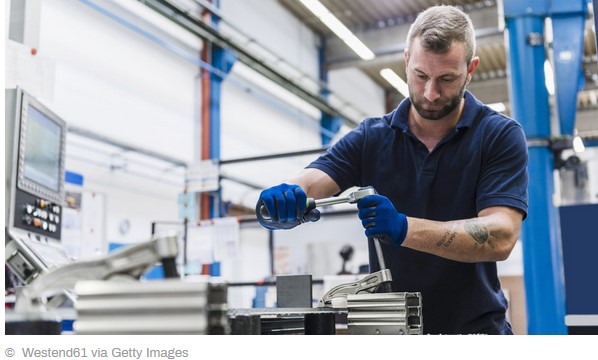
KN. Germany’s gross domestic product (GDP) is expected to decline by 0.2% in 2024, representing a sharp downgrade from a previously projected 0.3% expansion, Berlin’s ministry for economic affairs has announced.
According to a ministry revision published, 2024 will mark the second straight year of recession in the EU’s economic powerhouse after last year’s contraction of 0.3%.
Early indicators such as industrial production and business climate suggest the economic downturn has continued into the second half of 2024, the ministry noted.
The German economy hasn’t seen powerful growth since 2018 as the country’s structural problems have been amplified by wider global challenges, economy minister Robert Habeck said in a statement.
“Germany’s structural problems are now taking their toll. In the middle of the crises, Germany and Europe are squeezed between China and the US, and must learn to assert themselves,” Habeck said, as quoted by media outlets.
For 2025, the minister expects GDP to increase by 1.1%, slightly more than the government’s previous prediction of 1%. “Germany is a country full of strengths,” Habeck stated, adding that if the government’s support measures are “fully implemented, then the economy will grow more strongly and more people will find employment again.”
Meanwhile, German Finance Minister Christian Lindner denounced the government’s economic policy, telling DPA news agency: “Our economy has been shackled for years by bureaucracy and the tax burden, but – frankly – also by centrally planned economic measures to fight climate change and an increasing policy of redistribution.”
The Eurozone’s largest economy has been falling behind its peers over the past years, largely due to a prolonged manufacturing downturn. Germany’s was the only Group of Seven economy to contract in 2023.
New orders for German-made industrial goods suffered their sharpest drop so far this year in August, the latest provisional data from the statistics bureau Destatis showed. Factory orders in manufacturing were down 5.8% in August from the previous month, and down 3.9% year-on-year. The figures defied analyst forecasts of a 1.9% decline.
Destatis attributed the severity of the month-on-month slump mainly to the high-base effect of the previous month, when large orders were placed in what is classified as ‘other vehicle construction’ (manufacture of aircraft, ships, trains, military vehicles). Excluding this segment, incoming orders were only down 3.4%.
Orders for capital goods and intermediate goods fell by 8.6% and 2.2%, respectively, in August compared to July, while incoming orders for consumer goods dropped 0.9%, according to Destatis.
The capital goods sector includes a wide range of industries, from aerospace and defense to construction and engineering. Intermediate goods are classified as those used as inputs in the production of other goods.
The breakdown of the origin of new orders shows an increase from outside the Eurozone of 3.4%, whereas orders from Eurozone countries fell 10.5%. Domestic orders were down 10.9%.
Germany’s industrial output shrank in July, driven mainly by weak activity in the automotive sector, Destatis said in a separate release on Sunday. Production declined in most manufacturing segments in July, with the automotive industry posting an 8.1% month-on-month drop.
Economists polled by Reuters suggested that there will be no speedy recovery for Europe’s largest economy, and that it could contract again in the third quarter, thus putting the country back into recession. German GDP declined -0.1% in the second quarter.
After a recession in Germany in 2023, the European Commission expects the country’s economy to stagnate this year. Persistent inflation, high energy prices, and weak foreign demand have been cited as the reasons for the slowdown.


 admin
admin