admin
admin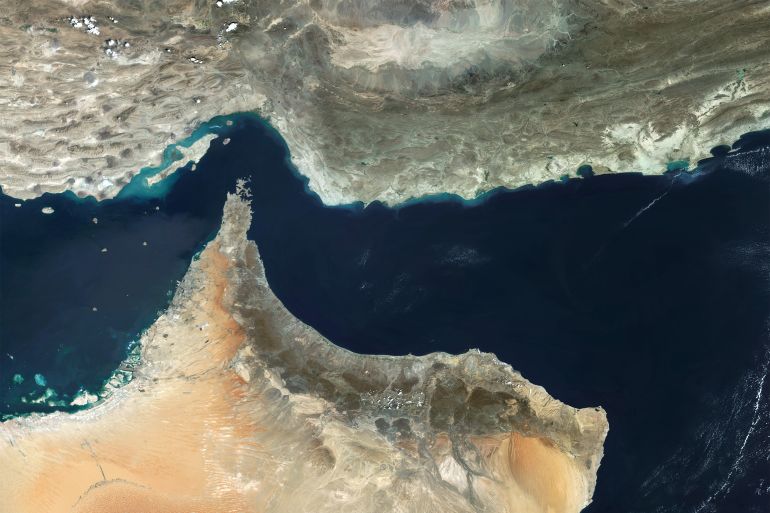
KN-TEHRAN, The war between the United States (US), Israel, and Iran is predicted to disrupt sulfur supplies from the Middle East to high-pressure acid leach (HPAL)-based hydrometallurgical nickel smelters in Asia, as trade routes through the Strait of Hormuz remain impassable. The Strait of Hormuz is only about 21 miles (33 km) wide at its narrowest point, with even narrower shipping lanes. The shallow waters provide a tactical advantage for Iran.
Bloomberg Intelligence’s recent research revealed that a 10% increase in sulfur prices leads to a 5% increase in nickel processing costs. This potential supply disruption could even hamper Indonesia’s nickel downstreaming.
Bloomberg Intelligence believes the conflict in the Middle East has already disrupted sulfur shipments from the region to Indonesia, especially since Indonesia imports nearly half of its needs from the Middle East. The research suggests that a sulfur supply shortage could delay Indonesia’s ambition to become a global hub for electric car batteries or electric vehicle (EV). The reason is that HPAL smelter utilization could drop to around 70% and could fall further if the supply shortage deepens. Indonesia has more than 10 large HPAL smelters, accounting for over 60% of the global market share. Consequently, Indonesia imports approximately 1.76 million tons of sulfur from Saudi Arabia and 930,500 tons from Qatar. Bloomberg Intelligence predicts that nickel ore prices will experience a greater price increase than refined nickel amidst the more limited ore supply from Indonesia.
Meanwhile, sulfur prices have reportedly risen 10% this year to 4,100 yuan per ton amid the risk of supply disruptions from the Strait of Hormuz, potentially squeezing smelter margins.
Bloomberg Intelligence believes that the sulfur price increase will have a serious impact on Indonesia’s HPAL nickel smelter industry, as this commodity accounts for approximately 55% of the total processing costs of hydrometallurgical smelters.
A 10% increase in sulfur prices is predicted to increase HPAL smelter production costs by 5%. This situation is predicted to reduce Indonesia’s processed nickel production by approximately 19%, or approximately 370,000–400,000 tons based on actual production in 2025. Meanwhile, pyrometallurgical smelters using rotary kiln electric furnace (RKEF) technology are predicted to be less affected by the sulfur price increase. However, higher nickel ore prices are still predicted due to restrictions on nickel production quotas, which are expected to further pressure RKEF smelter margins.
Bloomberg Intelligence assesses that nickel miners in Indonesia are facing increasing pressure amid various government policies encouraging the expansion of downstream processing.
In addition to the obligation to expand processing activities, company margins are also being pressured by a 12% sales tax, which will take effect in 2025, and minimum wage increases in several key mining areas. Monthly wages in the nickel centers of South Sulawesi and North Maluku have increased by approximately 7.2% and 3%, respectively.
Furthermore, the government has changed the RKAB approval mechanism from every three years to every year, which is expected to stabilize prices. However, regulations on foreign exchange export proceeds (DHE) have also been tightened since March 2025, requiring exporters to keep 100% of their foreign exchange earnings domestically for one year, up from the previous 30% for three months. The latest policy, effective since January, also limits the placement of these funds to state-owned banks. This regulation has the potential to increase national foreign exchange reserves, but poses the risk of limited liquidity and increased financing costs for mining companies.
Bloomberg Intelligence also highlighted the tightening of permits for new intermediate smelters and the policy of increasing royalties in Indonesia. The agency believes the Indonesian government aims to encourage investment in more downstream smelters and strengthen its position in the global EV ecosystem supply chain.
At the same time, several other nickel-producing countries are beginning to adjust their policies to maintain industrial competitiveness.
Photo by, Getty image


 Glembert