Glembert
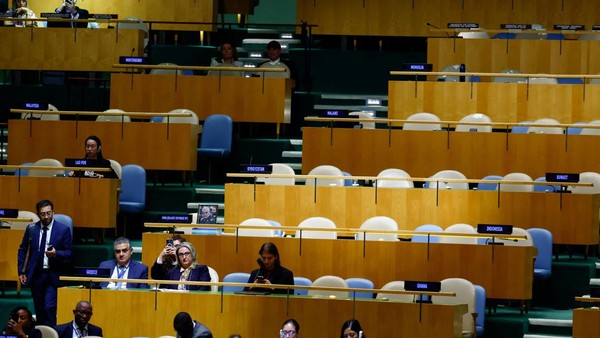
KN. The United States and Iran have resumed hostilities after several weeks of a ceasefire. House Commission I Deputy Chair Dave Laksono urged the Indonesian government to remain vigilant, particularly regarding energy security. He noted that developments in the region would also affect Indonesia and called on the government to closely monitor energy supplies. He also urged Indonesia to maintain its independent and active foreign policy stance while strengthening international cooperation and ensuring protection for Indonesian citizens in conflict-affected areas.
State-owned port operator PT Pelindo reported a seven percent increase in container flow, reaching 6.42 million Twenty-foot Equivalent Units (TEUs) through April 2026, signaling strengthening economic activity despite geopolitical tensions caused by U.S.-Iran conflict. Pelindo President Director Achmad Muchtasyar said the increase in container flow comes not only from export-import activities but also from domestic goods distribution. “In national trade distribution, the China and ASEAN regions contribute approximately 46.2 percent of Indonesia’s exports and 56.5 percent of Indonesia’s imports,” he explained. The growth in intra-Asia trade has helped offset disruptions caused by the United States-Iran conflict, with international container flow growth reaching 11 percent, he said.
Indonesian Ambassador to Iran and Turkmenistan Roy Soemirat said that the Indonesian Embassy in Tehran continues to provide assistance to eight Indonesian citizens working as crew members aboard the MSC Francesca vessel, which has been detained by Iranian authorities since April 22. The detention was described as part of Iran’s response to the United States’ seizure of an Iranian vessel on April 19.


 admin
admin