Glembert
KN. Malaysia believes that Board of Peace, established by US President Donald Trump, is incapable of guaranteeing the interests of the Palestinian people. Prime Minister Anwar Ibrahim, speaking before the People’s Representative Council on January 20, 2026, called for a halt to the attacks on Gaza to allow aid to be distributed and for the ceasefire agreement, which Israel has violated. Malaysia is not yet ready to provide initial support for Board of Peace.
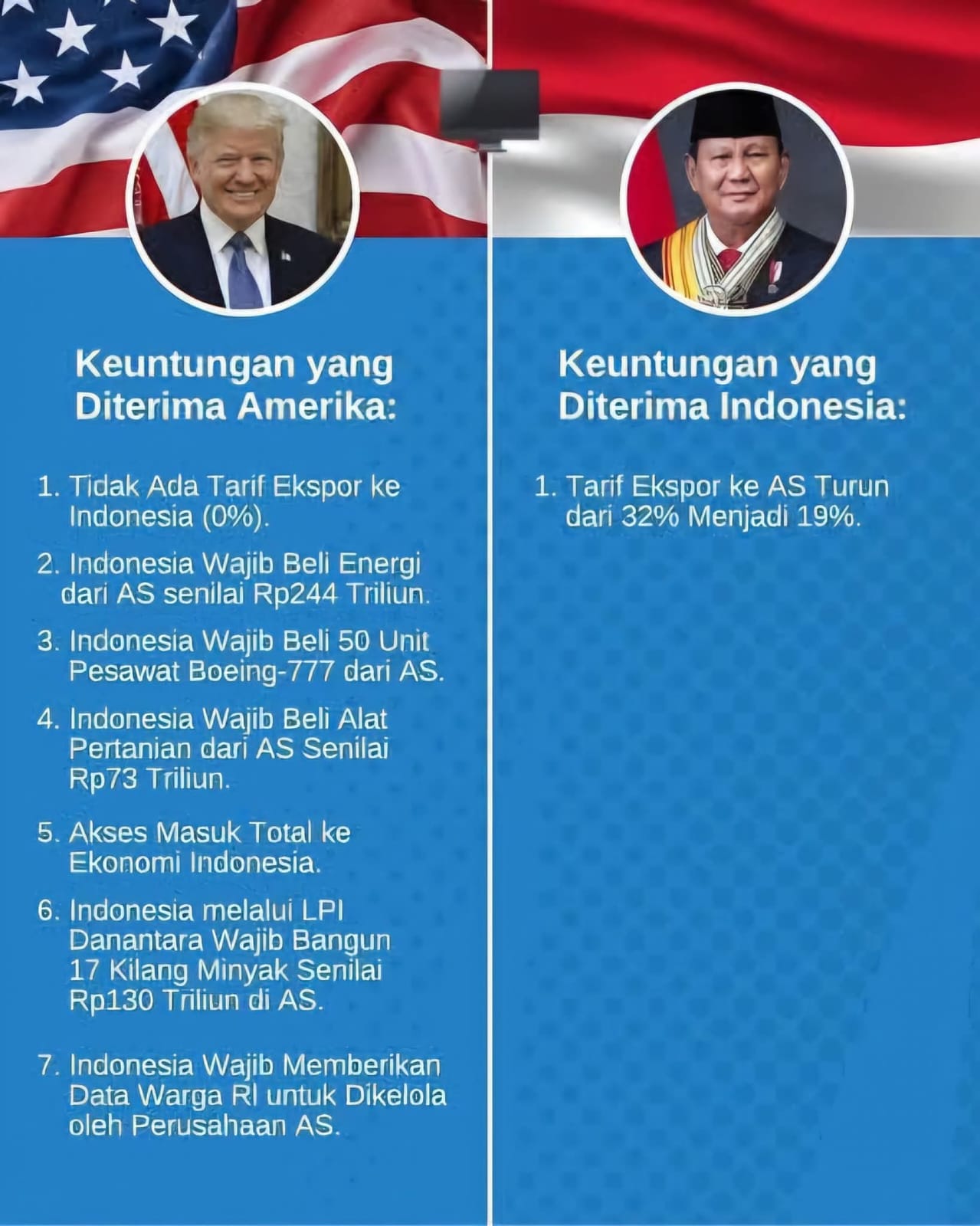
Malaysia’s rejection of Board of Peace is based on rational considerations within its national interests, given its close economic and political ties with China. Malaysia also maintains political and security cooperation with several US allies. Malaysia is part of the Five Power Defense Cooperation agreement with the UK, Australia, New Zealand, and Singapore. Furthermore, Malaysia is also engaged in trade tariff negotiations with the US, which could potentially impact the Malaysian economy.
Malaysia’s political stances contrasts with Indonesia, Cambodia, Vietnam, and Thailand’s support for Board of Peace. According to the Khmer Times, Cambodia has agreed to join Board of Peace. Vietnamese Foreign Ministry spokesperson Pham Thu Hang, as quoted by the Hanoi Times, expressed open support for Board of Peace. In an official statement, the Thai Foreign Ministry expressed its support for Board of Peace.
According to a report from the South China Morning Post, the Philippines will consider joining Board of Peace. Singapore, according to its official website, is still evaluating Trump’s invitation. Meanwhile, Laos, Brunei Darussalam, and Myanmar have yet to issue official statements.
On February 3, 2026, at the State Palace, Jakarta, President Prabowo invited Islamic figures including the Nahdlatul Ulama Executive Board (PBNU), the Islamic Association (SI), the Muhammadiyah Central Board, and the Indonesian Ulema Council (MUI). Muhammadiyah Central Board Secretary Abdul Mu’ti said that in the meeting, Prabowo explained the reasons, the global situation, the situation in Palestine, and Indonesia’s commitment related to the BoP. The leaders of Islamic organizations supported this political step, including Muhammadiyah. A similar statement was made by PBNU Chairman Yahya Cholil Staquf. Previously, a number of Islamic community organizations criticized Prabowo’s decision to bring Indonesia to join the Gaza Peace Council or Board of Peace (BoP) created by United States President Donald Trump, which was considered to only bring false peace because there was no Palestinian representation, expressed by Muhammadiyah Central Executive Chairman Anwar Abbas and MUI Deputy Chairman Cholil Nafis on January 24, 2026.
From a strategic intelligence perspective, the diverse attitudes of Southeast Asian countries toward Board of Peace are not merely diplomatic preferences, but also a reflection of varying national interests, economic interdependence, and domestic political dynamics. These differences in political stances can be explained by differing interests and levels of interdependence among countries.
There are at least four factors that determine each country’s foreign policy towards Board of Peace. First, China’s domestic influence makes dependent countries more cautious. Second, US trade tariff pressures are pushing some countries to seek approaches that maintain market access. Border conflicts and regional security are the third factor. Territorial disputes, particularly in the North Natuna Sea, internationally known as the South China Sea, are pushing certain countries to seek protection or strategic alliances. The final factor is domestic political dynamics, which influence foreign policy maneuverability.
The difference of ASEAN countries political stances are believed to be subject to change over time. These shifts could be triggered by external actions with direct impacts, such as China’s changing position on Board of Peace, escalating tensions in the North Natuna Sea, US economic pressure, and the weakening of the United Nations


 admin
admin