admin
admin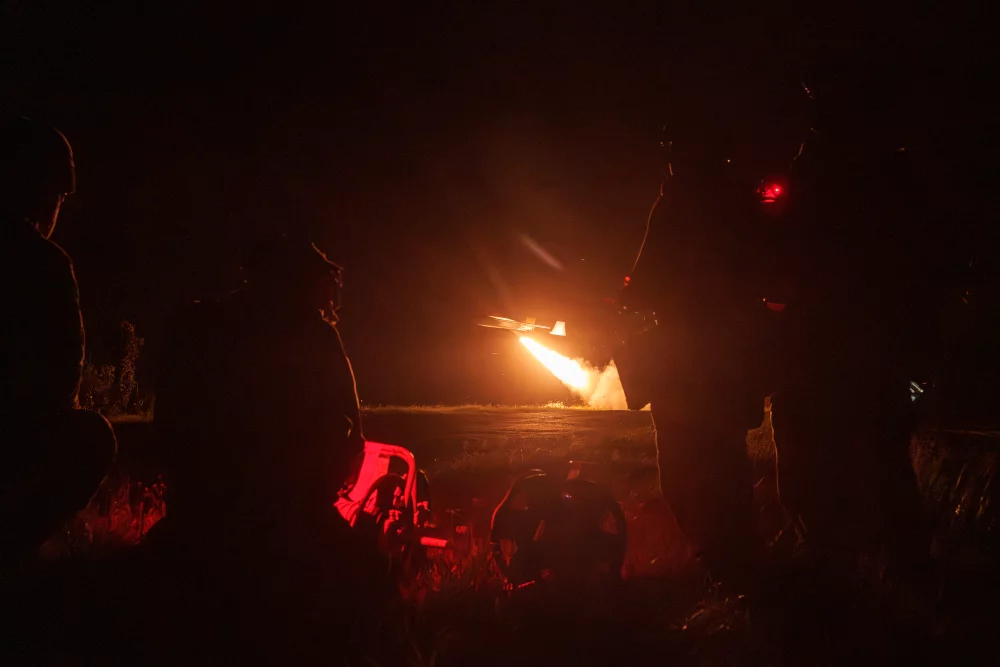
Ukraine launched what may have been its largest drone attack on Russia since the beginning of the full-scale war between the two countries, striking a major oil refinery in Moscow for the second time in a week and disrupting hundreds of flights in and out of the Russian capital. The strike on the Kapotnya refinery, which produces roughly one-third of the Moscow region’s fuel, sent thick black smoke over parts of the city and reportedly left residents in surrounding areas complaining of “black rain,” even as Moscow authorities denied the amount of disruption the strike had caused. This attack came just days after Russia launched strikes on Kyiv, damaging the Pechersk Lavra monastery complex, and as Ukrainian President Volodymyr Zelenskyy was seeking renewed commitments from G7 leaders on air defense, sanctions, and military support.
For most Russians, especially those residing in major cities like Moscow and St. Petersburg, these strikes have been their first real experience witnessing and experiencing the war. Since 2022, the Kremlin has worked hard to insulate residents of major cities from the realities of this war, despite the enormous number of Russian casualties on the front line and the scale of destruction in Ukraine. Now, Muscovites are not only witnessing the destruction caused by Ukrainian drones firsthand but also watching footage of the damage go viral across Russian social media, puncturing the carefully constructed facade the Kremlin has worked hard to maintain, revealing just how advanced Ukrainian strike capabilities have become.
This is also compounded by the economic strain Russians have been feeling for months. Russia’s budget deficit has widened, the country remains cut off from international capital markets, the domestic banking sector has become increasingly important in financing state debt, and high interest rates are weighing on credit conditions. At the same time, Ukrainian drone strikes on fuel trucks, storage facilities, and transport infrastructure have disrupted energy export logistics, despite the negligible effect on the actual infrastructure. This is because Russia has historically produced far more diesel than it consumed domestically, meaning refinery strikes are unlikely to cause a systemic diesel shortage in the near term. Gasoline, however, is more vulnerable because Russian production was already closer to domestic demand before the war, and seasonal shortages had occurred in previous years even without the additional pressure of Ukrainian strikes.
Still, Russia has repeatedly demonstrated an ability to adapt under sanctions and wartime pressure. Ukrainian strikes have added domestic stress inside Russia, helped crack the Kremlin’s veneer of invulnerability, and advanced Kyiv’s broader wartime agenda. But these effects do not, on their own, guarantee a strategic shift. Both sides remain locked in a years-long war of attrition in which Ukraine’s tactical successes will matter most if they can be translated into sustained pressure on the battlefield and at the negotiating table. For now, there are reasons for cautious optimism in Kyiv. Western analysts have increasingly pointed to Russia’s slowing rate of advance and Ukraine’s renewed drone advantage as signs that the war may be approaching an important inflection point.
Ukraine’s expanding long-range strike campaign has forced Russia to protect a wider range of targets across a much larger geographic area, from oil refineries and fuel depots to rail lines, military facilities, and infrastructure in occupied Crimea. Russia’s defense ministry claimed that its air defenses shot down 555 Ukrainian drones overnight, including almost 200 approaching Moscow, but the fact that several drones still reached one of the capital’s most important refineries suggests that even heavily defended Russian infrastructure remains vulnerable when Ukraine is able to launch attacks at scale, despite Moscow’s heavy investment in its layered air defenses around the capital, both for military reasons and for political symbolism.

Russia is also likely to respond by intensifying its own campaign against Ukrainian cities and air defenses. It will not take kindly to this unprecedented attack on its capital city. Moscow has already been able to adapt to Ukraine’s improving drone and counter-drone capabilities by launching larger and more complex strike packages, combining ballistic missiles, cruise missiles, Shahed drones, and decoys to overwhelm Ukrainian defenses. Russia also retains a significant escalation advantage through its arsenal of tactical nuclear weapons, which it has threatened but not yet used in its war against Ukraine. This tool has also provided Russia leverage at the negotiation table with international counterparts. These are some of Ukraine’s most dangerous vulnerabilities. Although Kyiv has used cost asymmetry and battlefield ingenuity to develop more effective domestic tools to counter Russian drones — including interceptor drones, electronic warfare systems, helicopters, surface-to-air missiles, and mobile fire teams — it remains heavily dependent on U.S.-made Patriot interceptors to defend against Russian ballistic missiles, and those stocks have been further strained by the U.S.-Iran conflict.
This topic was heavily discussed among Western allies during the G7 summit in France, where it remains one of the most contentious issues confronting European leaders. In the past, U.S. President Trump has remained skeptical of Ukraine’s odds at completely fending of Russian forces and therefore has tried to convince Ukrainian President Volodymyr Zelenskyy of signing a deal with Russia, that would heavily favor Moscow’s preferences. At the summit, however, Trump seemingly acknowledged Ukraine’s unique opportunity during this war. The U.S. signed on to the G7’s leaders’ statement on geopolitical issues, which states the following: “We, the Leaders of the G7, stand united in our unwavering support for Ukraine in defending its freedom, sovereignty, and territorial integrity. We reaffirm our solidarity with the Ukrainian population suffering from attacks on their critical infrastructure and cultural heritage. We commend Ukraine for its resilience and progress on the battlefield in recent months and emphasize there is now a new momentum.” Additionally, the statement supported “strengthen[ing] sanctions” against Russia, while the U.S. signaled that it may not extend the waivers it had given Russia to sell oil during the energy crisis that came out of the Iran war.
During the summit, Trump also described Russia as the “offensive” party in the conflict and commented that Moscow is losing more soldiers than Ukraine — a framing that stands in sharp contrast with his previous view on the conflict. However, experts note that Trump can, at times, be a fickle ally and that he may need to be reconvinced of the U.S. commitment to Ukraine in the future. Ultimately, Ukraine’s current momentum will only matter if it is matched by sustained Western support. If Kyiv can continue imposing costs on Russia while securing the air defenses and diplomatic backing it needs, this moment could strengthen Ukraine’s position not only on the battlefield, but also in any future negotiations with Moscow.
Photo: Soldiers from the First Center of Unmanned Systems launch a deep-strike drone from an undisclosed location in eastern Ukraine. Serhii Korovayny for NPR


 Glembert